
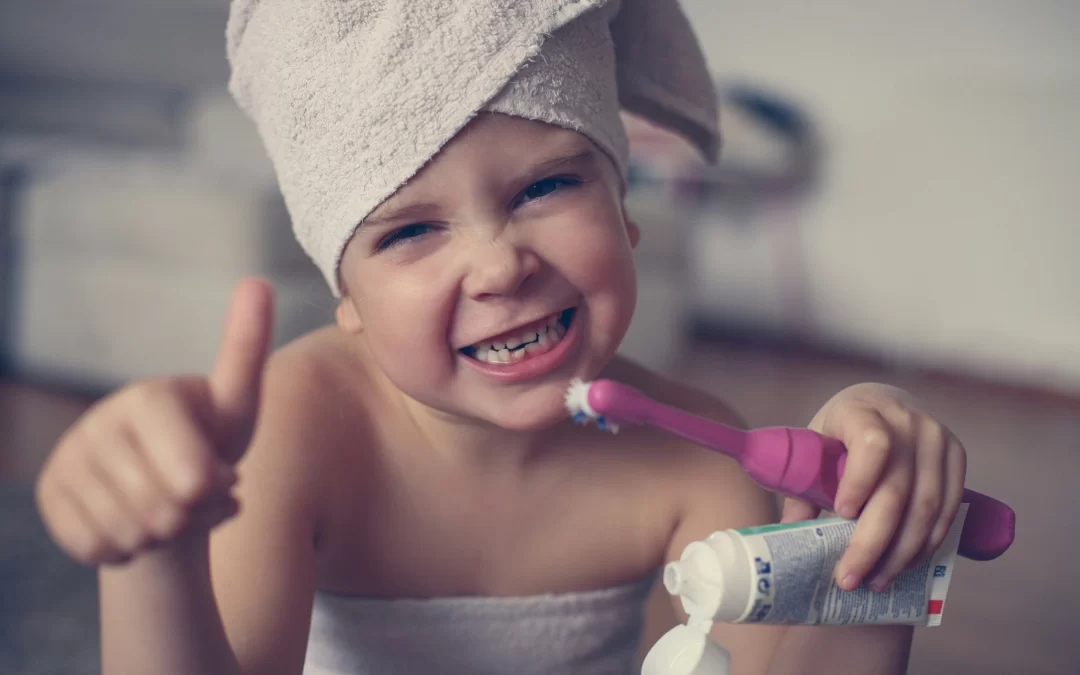
Enhancing Self Care and Hygiene in Individuals with Autism
Self care and hygiene in autism are essential skills that build independence and confidence. These routines include brushing teeth, washing hands, bathing, dressing, and using the toilet. Many children with autism need extra support because of motor challenges, sensory sensitivities, or communication barriers.
This guide explains why self care matters, the therapeutic strategies used to teach these routines, and how families can support independence at home.
Why Self Care Skills Matter
Improving self care and hygiene routines helps children participate more confidently in everyday life. Tasks like brushing teeth or washing hands can be hard for children with autism because they may struggle with motor steps, unexpected sensations, or multi step directions.
Strengthening self care skills leads to better health, greater independence, and higher self esteem.
👉 Related reading: Teaching Self-Help Skills with ABA: Encouraging Independence
Task Analysis
Task analysis breaks a routine into simple steps that are taught one at a time. This approach helps children understand what to do and builds confidence as each step is mastered. For example, brushing teeth can be divided into picking up the toothbrush, adding toothpaste, brushing, rinsing, and putting items away.
Therapists use task analysis to create predictable routines and clear expectations for children learning new skills.
👉 Related reading: Functional Communication, Visual Schedules & Task Analysis
Start Your Child’s ABA Therapy Journey Today
Our compassionate, collaborative ABA therapy empowers children and families to thrive. Together, we nurture connections, fuel progress, and embrace a brighter future through evidence-based care.
Visual Supports
Visual supports make self care routines easier to follow. These may include picture schedules, step by step charts, or simple visual reminders placed in the bathroom or bedroom. Visual cues help children who struggle with verbal instructions or who need clear, predictable guidance.
These tools encourage independence by showing what needs to be done and in what order.
👉 Related reading: Visual Schedules for Autism: Why They Work and How to Start
Behavioral Interventions
Behavioral strategies help children learn self care routines through positive reinforcement, prompting, and gradual fading of assistance. Therapists reward correct steps, give gentle cues when needed, and slowly reduce support as the child becomes more independent.
These evidence based strategies make routines easier and more enjoyable for children.
👉 Related reading: Using Positive Reinforcement Effectively at Home
Sensory Integration Therapy
Sensory sensitivities can make hygiene tasks feel overwhelming. Some children dislike certain textures, sounds, or water sensations. Occupational therapists use sensory integration activities to help children feel more comfortable with daily routines.
Slow exposure, sensory play, and calming strategies help reduce stress during bathing, toothbrushing, and grooming.
👉 Related reading: Sensory Processing Disorder and Autism: What Parents Should Know
Motor Skills Development
Many self care tasks require fine and gross motor coordination. Children may need help strengthening hand movements for buttoning shirts, squeezing toothpaste, or brushing hair. Occupational therapists design activities that improve precision, grip strength, and coordination.
These exercises make everyday hygiene tasks easier and faster to complete.
👉 Related reading: Enhancing Motor Skills in Individuals with Autism
Positive Outcomes of Strong Self Care Skills
Improving self care and hygiene skills leads to lasting benefits for both children and families. When children master these routines, they gain confidence and require less hands on support throughout the day.
- Greater independence at home and school
- Increased self esteem and pride
- Reduced caregiver burden
- Better physical health and hygiene
- Improved social acceptance and inclusion
👉 Related reading: Generalization: Helping Your Child Use New Skills in Daily Life
Summary
Self care and hygiene routines are essential for independence and well being. Strategies like task analysis, visual supports, behavioral interventions, and sensory and motor based therapies help children with autism learn these routines at a comfortable pace. With consistent practice and support, children develop greater confidence and independence in daily living.