
Guides, Strategies, and Tools for Families & Educators
Autism Resource Library
Welcome to the Autism Resource Library — your hub for evidence-based insights, practical strategies, and compassionate guidance for supporting children and individuals on the autism spectrum. Here, you’ll find articles on ABA therapy tips, parenting strategies, and tools to help at home, school, and in the community.
Categories
Talking & Social Skills
Understanding ABA
Managing Difficult Behaviors
Encouraging Positive Behavior
Everyday Life Skills
Understand the Foundations of ABA
Learn the essential principles and science behind Applied Behavior Analysis. Discover how ABA empowers children and families, clarifies professional roles, and supports individuals with diverse needs.

What to Expect During Your Child’s ABA Assessment
Starting ABA therapy can feel like a big step — especially when you’re not sure what the first...

Functional Communication, Visual Schedules & Token Boards: Tools in ABA
If your child is on the autism spectrum, you may have noticed that some of the toughest moments...
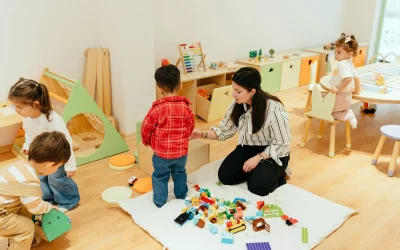
Understanding ABA Therapy: What It Is and What It Isn’t
Applied Behavior Analysis (ABA) therapy is one of the most researched and effective approaches for...
Build Communication and Connection
Explore practical strategies to enhance language development, social skills, and meaningful connections for individuals with autism. These guides cover both verbal and nonverbal supports rooted in ABA principles.

What Is Functional Communication Training (FCT) in ABA Therapy?
When your child throws a toy, cries, or runs away when asked to do something, it might feel like...

Recognizing Early Signs of Autism in Children
As a parent, you know your child best. You notice the little things — how they respond when you...

Can ABA Help Nonverbal Children Learn to Communicate?
If your child isn’t speaking yet — or uses very few words — you might wonder what the future...
Promote Independence and Everyday Skills
Find evidence-based techniques to teach self-help, daily routines, motor skills, and independence. Equip your child with tools for confidence and autonomy.
Creating Predictable Routines for Children with Autism
Discover how predictable routines help children with autism build confidence, reduce anxiety, and feel calm through structure and consistency.
Helping Your Child Transition Between Activities: ABA Strategies for Smoother Routines
Transitions between activities—whether from play to clean-up, home to school, or dinner to...
Teaching Self-Help Skills with ABA: Encouraging Independence at Home
For children with autism, mastering self-help skills like dressing, brushing teeth, and feeding...
Encourage Positive Change
Discover how to apply positive reinforcement, token systems, and effective behavior management techniques to support growth and reduce challenges at home and in the community.
Motivational Tools for Autism: How to Build Confidence and Inspire Learning at Home
Discover simple motivational tools for children with autism to build confidence, boost learning, and make everyday routines more engaging.
Visual Schedules for Nonverbal Children: What Works Best
Learn how visual schedules help nonverbal children with autism understand routines, reduce anxiety, and build independence at home.
Positive Reinforcement Examples for Everyday Parenting
Learn practical ways to use positive reinforcement for kids with autism or ADHD. Discover real-life examples that build confidence and good behavior.
Calm, Support, and Thrive
Access proven ABA approaches to managing aggression, meltdowns, and other challenging behaviors compassionately and effectively.
Understanding Autism Meltdowns vs. Tantrums: A Parent’s Guide
Learn how to tell the difference between an autism meltdown and a tantrum, and find calm, proven ways to support your child through both.
Autism and OCD: When Repetitive Behaviors Cross the Line
Many children with autism engage in repetitive behaviors — spinning wheels, lining up toys, or...
Autism and Feeding Issues: Beyond Picky Eating
Many children go through phases of refusing certain foods. But for children with autism, feeding...
Start Your Child’s ABA Therapy Journey Today
Our compassionate, collaborative ABA therapy empowers children and families to thrive. Together, we nurture connections, fuel progress, and embrace a brighter future through evidence-based care.
Browse All Our Articles
View every resource and blog post in our library in one place. Use filters or the search bar to find exactly what you need.

Autism Motivation Guide: Intrinsic vs Extrinsic Motivation for Parents
Discover how intrinsic and extrinsic motivation affect learning and behavior in autistic children. Includes examples and practical strategies.

Reward Systems for Children With Autism
Learn how reward systems help children with autism build positive behavior, motivation, and independence. Includes examples and simple steps.

Reward Charts for Autism: Do They Work?
Discover how to use reward charts for autism effectively with clear goals, meaningful motivators, and simple reinforcement strategies.

Preference Assessments at Home: Finding Your Child’s Motivators
Learn how to run preference assessments at home to discover what motivates your child. A clear guide for parents using ABA-based strategies.

Visual Schedules for Autism: Why They Work and How to Start
Discover how visual schedules improve routines for children with autism. Includes examples, setup tips, and easy steps for parents.

How to Troubleshoot Token Boards When Kids Lose Interest

Token Boards in the Classroom: A Teacher Playbook for Positive Behavior

How Token Boards Help Children with Autism Learn Positive Behavior

How to Set Up a Token Board at Home: Step-by-Step Guide for Parents
A parent-friendly guide to using a token board at home. Discover how to choose goals, rewards, and visuals that motivate your child every day.

Fading Token Systems in Autism: A Parent’s Step by Step Guide
Learn how to fade token systems for children with autism using clear steps, examples, and parent-friendly ABA strategies to build independence.

Ethical and Effective Reinforcement: Myths vs Facts for Parents

Reinforcers for Token Systems in Autism: What Works Best
Learn how to choose effective reinforcers for autism token systems. Includes examples, reward menus, and troubleshooting tips for parents.

Intrinsic vs. Extrinsic Motivation in Autism: What Parents Should Know
Learn how intrinsic and extrinsic motivation work for children with autism and how to use rewards ethically to build confidence, independence, and real-life learning.

Reward Systems for Children with Autism: How to Build Motivation the Right Way
Reward systems can help children with autism understand expectations and feel successful. Find out how they work, when they fail, and how to use them effectively.

Reward Charts for Autism: Do They Work? How to Use Them Effectively

Preference Assessments at Home for Autism: Find What Motivates Your Child
Learn how to find what truly motivates your child with autism using simple preference assessments at home. Includes examples, parent tips, and expert-backed methods.

Motivational Tools for Autism: How to Build Confidence and Inspire Learning at Home
Discover simple motivational tools for children with autism to build confidence, boost learning, and make everyday routines more engaging.

Creating Predictable Routines for Children with Autism
Discover how predictable routines help children with autism build confidence, reduce anxiety, and feel calm through structure and consistency.

Visual Schedules for Nonverbal Children: What Works Best
Learn how visual schedules help nonverbal children with autism understand routines, reduce anxiety, and build independence at home.

Understanding Autism Meltdowns vs. Tantrums: A Parent’s Guide
Learn how to tell the difference between an autism meltdown and a tantrum, and find calm, proven ways to support your child through both.

Positive Reinforcement Examples for Everyday Parenting
Learn practical ways to use positive reinforcement for kids with autism or ADHD. Discover real-life examples that build confidence and good behavior.

Level 1 vs. Level 2 Autism: What the Differences Mean for Daily Life
Learn what distinguishes Level 1 from Level 2 autism, how support needs differ, and what daily life looks like for each. A clear, compassionate guide for parents.

How to Praise Children with Autism: A Parent’s Guide to Meaningful Encouragement
Learn how to praise children with autism effectively using ABA-based strategies, behavior-specific reinforcement, and practical examples.

How to Create a Token Economy at Home Without Stress
Learn how to build a calm, motivating token system at home for your child with autism using ABA strategies and positive reinforcement.

Building Routines for Bedtime, Meals, and More
Learn how to build daily routines for children with autism — from bedtime to meals — using structure, visuals, and positive reinforcement.

Autism and Toileting: How ABA Can Support Bathroom Routines
Learn how ABA helps children with autism master toilet training using step-by-step teaching, visual supports, and positive reinforcement.

Executive Functioning Challenges: Helping Your Child Stay Organized
Learn how ABA strategies help children with autism strengthen executive functioning skills like planning, organization, and time management.

Understanding Transitions: How ABA Helps Children Cope
Learn how ABA therapy helps children handle transitions with less stress using visual schedules, countdowns, and reinforcement techniques.
What to Expect During Your Child’s ABA Assessment
Functional Communication, Visual Schedules & Token Boards: Tools in ABA
Understanding ABA Therapy: What It Is and What It Isn’t

Reinforcement vs. Bribery: How to Encourage Positive Behavior Without Pressure

Pairing in ABA: Building Trust Before Teaching

How Many Hours of ABA Therapy Does My Child Need?

How ABA Therapy Works: A Beginner’s Guide for Parents

ABA vs. Other Therapies: How Do They Compare?

What Is Masking in Autism? Why Your Child May Seem “Fine” at School

The Science Behind ABA: Why It Works for So Many Children with Autism
What Is Functional Communication Training (FCT) in ABA Therapy?
Recognizing Early Signs of Autism in Children
Can ABA Help Nonverbal Children Learn to Communicate?

Autism and Selective Mutism: When Children Can Speak But Don’t

Social Communication Disorder vs. Autism: Clear Diagnostic Differences

The Role of a BCBA: Who’s Creating My Child’s Autism Treatment Plan?

The Role of an RBT: The Heart of Your Child’s ABA Therapy Team

Autism and OCD: When Repetitive Behaviors Cross the Line

Autism and Feeding Issues: Beyond Picky Eating

Autism and Anxiety: Spotting the Signs (Even When They’re Hidden)

Autism and PTSD: Can Children with Autism Experience Trauma Differently?

Autism and Aggression: What Parents Can Do

Managing Meltdowns: What’s Behind Emotional Outbursts in Children with Autism

Autism and Depression in Kids and Teens

Autism and Sleep Disorders: Why Nights Can Be So Challenging

Sensory Processing Disorder and Autism: What Parents Should Know

Language Disorders and Autism: Understanding the Differences and Overlaps

Intellectual Disability and Autism: Differences, Overlap, and Support Strategies

Down Syndrome and Autism: Understanding the Dual Diagnosis and How to Support Your Child

Auditory Processing Disorder vs. Autism: Key Differences and Overlap Explained

Apraxia of Speech and Autism: Understanding the Overlap and How to Help

Anxiety and Autism: Why the Overlap Is So Common — and How to Help

ADHD and Autism: Understanding the Overlap, Differences, and Dual Diagnosis

What “High-Functioning Autism” Really Means — and Why the Term Can Be Misleading

Understanding the Differences Between Autism Spectrum Levels 1, 2, and 3

Level 3 Autism: Understanding “Very Substantial Support” with Compassion and Clarity

Level 2 Autism: Understanding “Substantial Support” and How It Looks in Daily Life
Level 1 Autism: What “Requiring Support” Really Means for Your Child

Can Autism Levels Change Over Time? Understanding Shifts in Support Needs

Understanding Autism Spectrum Levels: Key Differences Between Level 1, 2, and 3

Reducing Problem Behaviors in Public: ABA Tools for Real-World Parenting

Helping Your Child Transition Between Activities: ABA Strategies for Smoother Routines

Managing Autism Meltdowns at Home: ABA Strategies for Calming and Coping

Handling Aggression and Self-Injury in Children with Autism: ABA Techniques for Parents

Shaping Behavior Through Positive Reinforcement: ABA Strategies That Work

Generalization: Helping Your Child Use New Skills in Different Places

Using Token Boards and Reward Systems at Home: ABA Tools for Motivation

Teaching Self-Help Skills with ABA: Encouraging Independence at Home

The Power of Choice in ABA: Helping Your Child Feel More in Control

How to Use Visual Schedules at Home: ABA Tips for Creating Predictable Routines

Teaching Communication Skills with ABA: Supporting Nonverbal and Minimally Verbal Children
Learn ABA communication strategies for nonverbal children, including PECS, AAC, mand training, prompting, and real life practice.

Using Positive Reinforcement Effectively at Home: ABA Tips for Parents
Learn how using positive reinforcement at home helps children with autism build skills, reduce problem behaviors, and feel more confident.

How to Praise Children with Pathological Demand Avoidance (PDA)
Learn how to praise children with PDA in ways that reduce anxiety and support confidence using gentle, low-demand ABA strategies.

How ABA Therapy Unlocks Potential for Children with Autism
Discover how ABA therapy unlocks potential using personalized plans, positive reinforcement, and early intervention for meaningful growth.

Why ABA Therapy Matters: Unlocking the Power of Behavioral Science for Autism Treatment

How PDA Differs from Autism: A Guide for Caregivers
PDA vs autism can be confusing. Discover the key differences and practical caregiver strategies for supporting children with a PDA profile.

The Difference Between BCBA and RBT and Their Roles in ABA Therapy
Understanding BCBA vs RBT roles helps parents see how ABA therapy works, from assessment and planning to hands on teaching and progress tracking.

Harnessing ABA to Understand and Improve ASD Behavior
Learn how ABA for autism behavior helps you understand triggers, teach new skills, and support your child with evidence based, compassionate strategies.

Understanding the ABCs of Behavior: Antecedent, Behavior, Consequence in Applied Behavior Analysis (ABA)
Learn the ABCs of behavior in ABA and how antecedents, behaviors, and consequences work together to shape actions.

Enhancing Social Skills in Individuals with Autism
Learn how to build social skills in autism through structured strategies that strengthen communication and connection.

Enhancing Self-Care and Hygiene Routines in Individuals with Autism
Improving self-care and hygiene routines is crucial for individuals with autism, aiding their independence and well-being. Techniques like task analysis, visual supports, and behavioral interventions provide comprehensive support, fostering independence and boosting self-esteem.

Enhancing Play and Leisure Skills in Individuals with Autism
Learn how play skills in autism can improve social, cognitive, and emotional development through structured, evidence-based techniques.

Enhancing Motor Skills in Individuals with Autism
Learn how to build motor skills in autism with practical strategies from OT, PT, sensory integration, and ABA to support independence.

Enhancing Communication and Language Abilities in Individuals with Autism
Learn how to support communication and language abilities in autism with simple strategies parents can use at home.

At ABA Journey, we assist each kid on the autism spectrum in realizing their full potential. Our compassionate, group-based ABA therapy promotes the growth of children and families. We promote growth, cultivate relationships, and welcome a brighter future by providing evidence-based care.
Information
Main Branch
Address: 303 Perimeter Center North, Suite 300, Atlanta, GA, 30346
Phone: +1 844-718-2312
Email: [email protected]