Enhancing Social Skills in Individuals with Autism
Social skills in autism can be challenging to develop, yet they are essential for building friendships, participating in groups, and feeling connected to others. Many children and teens with autism struggle with social cues, conversation skills, and understanding the perspectives of others.
This guide explains why social skills matter and highlights the evidence based techniques therapists use to help individuals with autism grow socially in meaningful and achievable ways.
Why Social Skills Matter
Social skills help children communicate, build relationships, and participate in community activities. For individuals with autism, difficulties with eye contact, body language, conversation, and understanding social rules can lead to isolation. Strengthening social skills supports confidence and inclusion.
- Better understanding of social expectations
- Improved communication with peers and adults
- Greater ability to form meaningful friendships
- More participation in school and community activities
👉 Related reading: Social Communication Disorder vs. Autism
Social Skills Training
Social skills training uses structured sessions to teach skills such as turn taking, initiating conversations, and recognizing body language. Therapists model the behavior, practice it with the child, and give feedback to help them improve.
Strategies often include role playing, guided conversations, and real world practice.
👉 Related reading: Teaching Communication Skills with ABA
Start Your Child’s ABA Therapy Journey Today
Our compassionate, collaborative ABA therapy empowers children and families to thrive. Together, we nurture connections, fuel progress, and embrace a brighter future through evidence-based care.
Peer Mediated Interventions
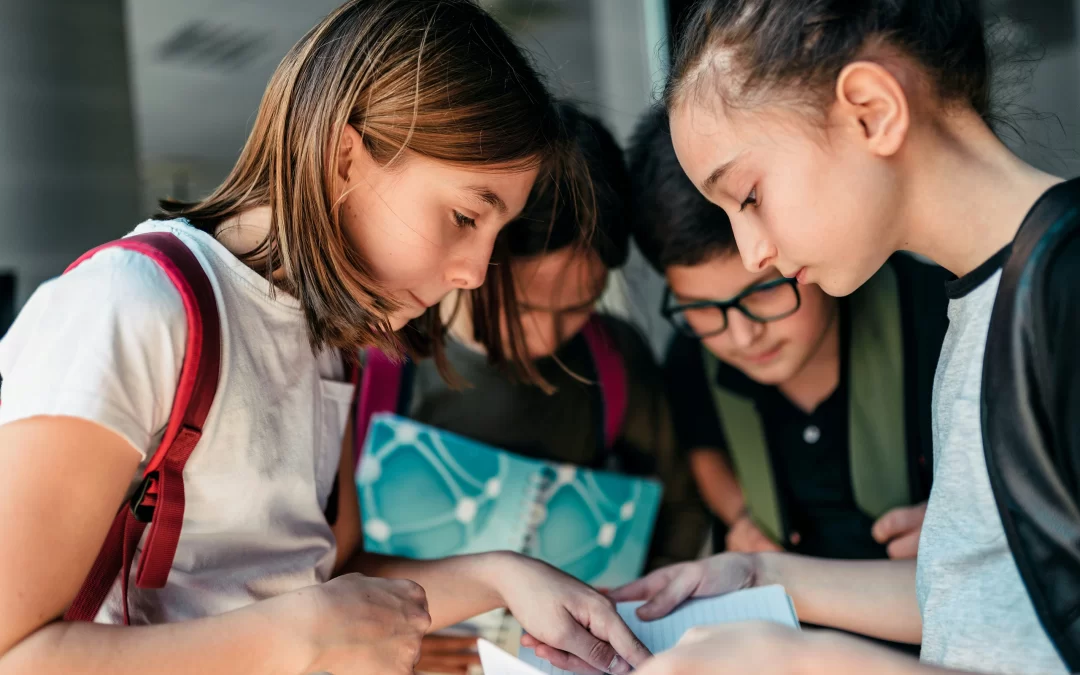
Peer mediated interventions allow children with autism to learn directly from typically developing peers. Peers model appropriate social behaviors such as joining a group, asking to play, or starting conversations.
This creates natural, motivating opportunities for learning and generalizing social skills.
👉 Related reading: Functional Communication Training
Group Therapy
Group therapy sessions provide structured opportunities to practice social interaction with others. Activities may include cooperative games, shared tasks, and group discussions that build cooperation and communication.
Children receive feedback from both therapists and peers in a safe and encouraging setting.
👉 Related reading: How to Use Visual Schedules at Home
Social Skills Groups
Social skills groups, often led by speech language pathologists or trained professionals, focus on communication based social skills. Activities may include guided discussions, role playing, and structured turn taking games.
These groups help children practice conversational skills and understand social language in a supportive environment.
👉 Related reading: The Power of Choice in ABA
Outcomes of Improved Social Skills
Enhanced social skills lead to meaningful improvements in overall well being. As children become more confident in social settings, they participate more, feel more connected, and gain independence.
- Stronger and more lasting friendships
- Greater inclusion in group and community activities
- Higher self esteem and confidence
- Better emotional well being
- Increased independence in social situations
👉 Related reading: Enhancing Communication and Language Abilities in Autism
Summary
Building social skills in autism opens the door to stronger connections, improved confidence, and greater independence. Through techniques like role playing, peer mediation, and structured group activities, therapists help children grow socially at a pace that feels comfortable and meaningful. With support, individuals with autism can develop the skills needed to build relationships and thrive in social settings.