
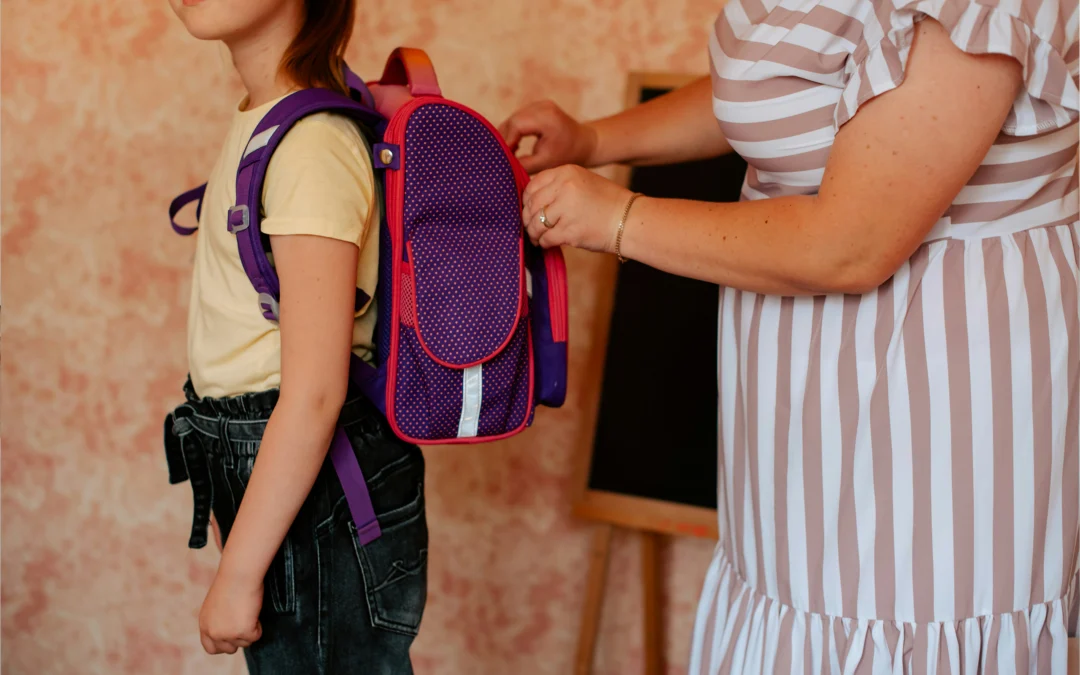
Everyday tasks like getting ready for school or finishing homework rely on a set of mental skills called executive functioning. These skills help us plan, organize, start, and complete activities — and for many children with autism, they can be particularly challenging.
But with structure, practice, and consistent support, children can build strong executive functioning abilities that lead to greater independence and confidence.
What Is Executive Functioning?
Executive functioning refers to the brain’s “management system” — the processes that help us plan, organize, and carry out daily routines.
For children with autism, challenges in these areas might look like:
-
Difficulty planning what to do and how to do it
-
Trouble organizing materials or steps
-
Struggling to start tasks without prompts
-
Problems estimating time or staying on schedule
-
Resistance to switching tasks or adapting to change
-
Forgetting steps or losing focus mid-task
Research published in Frontiers in Psychiatry shows that executive-functioning difficulties are common in autism, affecting flexibility, planning, and working memory — but also highly responsive to targeted interventions.
Related reading: Understanding Transitions: How ABA Helps Children Cope
Why Executive Functioning Matters
When executive functioning is weak, even small tasks can feel overwhelming. Families may notice:
-
Morning routines dragging out or causing stress
-
Homework taking longer than expected
-
Forgotten supplies or missed steps
-
Meltdowns during multi-step tasks
Helping your child build these skills is like giving them a toolbelt for life — empowering them to handle routines more independently at home, in school, and beyond.
Key Executive Function Skills and Common Roadblocks
| Skill | Common Challenge |
|---|---|
| Working Memory | Forgets instructions mid-task (“Go get your shoes” — but forgets halfway) |
| Planning & Organizing | Unsure what steps come next (“What do I do after breakfast?”) |
| Task Initiation | Avoids or delays starting tasks like homework or chores |
| Time Management | Underestimates time needed or runs out of time to finish |
| Cognitive Flexibility | Struggles when routines change or during task transitions |
| Self-Monitoring | Forgets to check work or determine if a task is complete |
Start Your Child’s ABA Therapy Journey Today
Our compassionate, collaborative ABA therapy empowers children and families to thrive. Together, we nurture connections, fuel progress, and embrace a brighter future through evidence-based care.
ABA and Parent Strategies That Work
ABA offers structured, evidence-based ways to strengthen executive functioning in daily life. Here are tools you can start using right away:
- Visual Checklists and Step-by-Step Guides – Create written or picture lists for routines like packing a backpack or cleaning up toys.
Example: “Pack lunch → Water bottle → Homework folder → Jacket.” - Timers and Reminders – Use countdowns or phone alarms to prompt transitions.
Example: “When the timer rings, start your homework.” - Break Tasks Into Smaller Steps – ABA calls this task analysis.
Example: “Clean your room” → “Put clothes in hamper → Books on shelf → Make bed.” - Consistent Routines – Predictable schedules reduce decision fatigue and help children remember what comes next.
- Planning and Reflection Prompts – Encourage your child to pause and think:
- “What do I need to start?”
- “What’s the first step?”
- “Did I check everything before I’m done?”
- Organizational Tools
-
Color-coded folders
-
Visual wall schedules
-
“Stop & Check” cards
-
Simple apps for to-do lists
-
- Reinforce Effort, Not Just Results – Praise the process: “I like how you used your checklist today!”
- Build Flexibility Gradually – Practice small changes and praise adaptability:
Example: “We’ll leave the park five minutes earlier today — great job staying calm.”
👉 You may also like: Reinforcement vs. Bribery
Real-Life Examples to Try
📚 Homework Launch: Use a visual checklist and timer to start homework. Praise each completed step.
🎒 Morning Routine: Create “packing cards” for each item. Your child packs the item, then moves the card to the “done” pile.
🛏 Bedtime Routine: Use visuals — Pajamas → Brush teeth → Story → Lights out — and add a five-minute countdown before starting.
🧹 Chore Time: Break “clean room” into small parts, praising after each mini-task.
How to Roll It Out at Home
- Pick one routine (morning, bedtime, or homework).
- Observe what’s working and what’s not.
- Create visuals or checklists.
- Coach your child daily for 2–3 weeks.
- Gradually reduce prompts as independence builds.
- Track progress — fewer missed steps or less resistance means success.
When one area improves, expand the same structure to another routine.